


When a player in the Netherlands sits down to experience online casino games, the first question should always be whether the platform has a valid licence from a approved gaming authority https://winny.com.nl/legal-and-affiliates. Licensing is not just a bureaucratic formality. It is the single most important indicator that a casino functions fairly, secures player funds, and maintains responsible gambling standards. For Dutch players, the landscape has shifted significantly since the Remote Gambling Act came into force, bringing new clarity and security. Operators like Winny Casino must comply with strict rules to earn and retain their licence. Comprehending how these licensing bodies function, which jurisdictions carry real weight, and how they impact everything from game fairness to affiliate marketing gives players and partners the confidence to engage safely. This guide examines the world of casino licensing bodies, with a special focus on the Netherlands, so everyone can make informed decisions in a rapidly evolving market.
How Licensing Affects Affiliate Partnerships
Partners who promote online casinos in the Netherlands face a changed landscape. Before the Koa Act, many websites channeled Dutch traffic to offshore casinos based on commission rates or brand recognition. Today, marketing an unlicensed casino to Dutch residents is a direct violation of the law and can result in significant fines. This means that serious affiliate platforms must thoroughly vet their partners and ensure that every featured brand holds a valid KSA licence. The shift has promoted a more professional approach to affiliate marketing, where the depth of compliance knowledge is as important as SEO strategy. Partnerships with licensed casinos also tend to be more stable and transparent, because the operator’s public reporting requirements make it easier to track traffic and payments reliably. For a platform like Winny Casino, which is fully licensed in the Netherlands, working with compliant affiliates creates a virtuous circle of trust that benefits the player, the operator, and the marketing partner.
- Verify that every promoted casino holds a current KSA licence by checking the public register.
- Scrutinize the affiliate terms for clear rules on responsible advertising and age restrictions.
- Keep records of all promotional materials to demonstrate compliance if audited.
- Never using misleading language that suggests a win is guaranteed or downplays gambling risks.
How Casino Licensing Matters for Gamblers
A gaming licence is a public guarantee. It tells players that an independent authority has audited the operator, scrutinized its ownership, confirmed the randomness of its games, and confirmed that funds are held in segregated accounts. Without a licence, there is no assurance that a win will be awarded or that personal data will be held secure. For Dutch players, the Kansspelautoriteit (KSA) now functions as the primary regulator, and only KSA-licensed casinos may legally operate for customers in the Netherlands. This move has contributed to weed out unreliable overseas operators and built a safer environment. Licensing also relates directly to responsible gambling. Any respectable authority requires casinos to provide deposit limits, self-exclusion tools, and clear data about the risks of gambling. In short, a licence converts a company from a simple business into an accountable partner. Players who choose licensed platforms can enjoy their entertainment without concern over hidden clauses or unfair practices, because every major action the operator makes is examined by an independent authority that can withdraw the licence if rules are breached.
Dutch jurisdiction and the Gambling Act (Koa)
The Remote Gambling Act, which took effect on 1 April 2021, converted the Dutch online gambling market from a grey zone into a licensed, transparent system. The Kansspelautoriteit (KSA) is the sole body tasked with issuing licences, monitoring compliance, and upholding the law. For a casino to lawfully accept Dutch players, it must have a KSA licence and comply with strict rules designed to prevent addiction, protect minors, and combat fraud. The KSA keeps a public register where anyone can verify whether an operator is licensed. This level of transparency is a strong tool for players and affiliates alike. The Act also featured a cooling-off period that stopped many international operators from immediately entering the market, making sure that only companies focused on the Dutch rules would engage. Since then, the market has grown steadily, with operators like Winny Casino demonstrating that a focus on local compliance establishes trust and long-term customer loyalty. The KSA continues to refine its approach, consistently updating technical standards and penalty guidelines to stay current with an industry that evolves quickly.
What to Seek in a Licensed Casino Such as Winny Casino
Players should treat a licence as the foundation, not the entire building. Even among licensed casinos, attention to detail separates the excellent from the merely adequate. A platform like Winny Casino, for instance, displays its licence information prominently, usually in the website footer, and provides a direct link to the KSA register. This clarity is a mark of a dependable operator. Apart from the licence, seek independent testing certifications from labs like eCOGRA or iTech Labs, which confirm that the random number generators are genuinely random. Payment methods also matter; a casino that has passed KSA due diligence will offer secure, well-known payment options and process withdrawals within reasonable timeframes. bekijk het aanbod Having customer support in Dutch is another clear sign that an operator treats the local market seriously. The below points help users conduct a detailed review after confirming the licence is authentic.
- Presence of the KSA logo with a clickable verification link.
- Independent game fairness certification from a recognised test house.
- Transparent terms and conditions in Dutch, free of confusing legal language.
- Safe gambling options including deposit limits, reality checks, and self-exclusion.
- Responsive customer support available during Dutch daytime hours.
The Future of Casino Licensing and Compliance
Licensing is not static. Regulators constantly update their frameworks based on new technology, changing player behaviour, and lobbying from public health groups. In the Netherlands, the KSA has indicated that tighter advertising restrictions are probable, following trends seen in Belgium and Italy. The use of artificial intelligence to detect problem gambling patterns is also increasing, and future licence conditions may require operators to implement such systems preemptively. Beyond national borders, there is growing cooperation between European regulators to share data and coordinate enforcement actions against illegal operators. For players and affiliates, staying informed about these changes is vital. A casino that maintains good standing with its licensing body over many years demonstrates a commitment that goes beyond checking boxes. It shows an understanding that a licence is a privilege earned through consistent ethical behaviour. In this environment, brands that treat compliance as a core value will continue to earn public trust and shape the future of online gambling.

The Emergence of European Regulatory Bodies
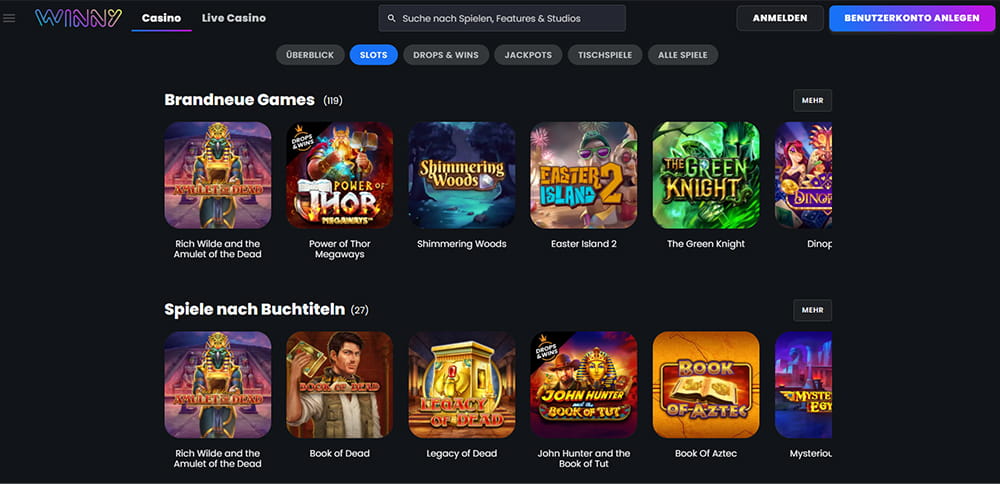
Europe has experienced a flood of new national regulators emerge as countries shift from monopolistic state gambling models toward open, licensed markets. Sweden’s Spelinspektionen, Denmark’s Spillemyndigheden, and the newly reformed German Glücksspielbehörde each represent a tailored approach to consumer protection. These bodies have common goals but tailor their rules to national cultural attitudes toward gambling. For the Netherlands, the KSA is part of this modern wave. The trend toward national licensing signifies that operators can no longer count on a single pan-European licence to access all markets. Instead, they must fulfill local requirements, which often comprise technical standards, specific responsible gambling protocols, and even language obligations. This fragmentation has been a difficulty for affiliates who previously advertised casinos across multiple borders. However, it also brings a much higher level of accountability, because a regulator focused on one country can respond more quickly to local problems and comprehend the specific risks faced by its own population.
Key Global Licensing Authorities
While the KSA now leads the Dutch landscape, several international bodies have set the standard for online gambling regulation over the past two decades. These authorities differ in their approach, reputation, and the level of protection they offer. A well-informed player or affiliate will recognise the differences and adapt their expectations accordingly. The following bodies are among the most impactful in the world and often appear on casino websites, including those that cater to international audiences alongside their Dutch operations.
Malta Gaming Authority
The Malta Gaming Authority is one of the most seasoned and most respected regulators in Europe. Its framework encompasses everything from anti-money laundering procedures to technical audits of game software. For many years, MGA-licensed casinos were the go-to choice for players across the continent. The authority is known for its detailed compliance checks and its willingness to discipline operators that fall short. While a KSA licence is now the legal requirement in the Netherlands, many Dutch-facing casinos previously possessed an MGA licence, and the high standards of the Maltese system helped influence customer expectations about what a safe casino should look like. The MGA still bears significant weight in industry discussions and serves as a model for emerging regulators.
UKGC
The UK Gambling Commission is widely regarded as the strictest gambling regulator in the world. Its rules on advertising, affordability checks, and game design have forced operators to reconsider how they engage with players. For Dutch audiences, the UKGC may not be directly relevant since Brexit, but its influence cannot be ignored. Many of the responsible gambling tools now mandated by the KSA were influenced by the UK’s pioneering approach. The Commission regularly penalises operators who breach licence conditions, and its thorough investigative work has revealed weaknesses in the industry. Anyone studying casino licensing should pay close attention to the UKGC, because its standards often evolve into the benchmark that other jurisdictions eventually embrace.